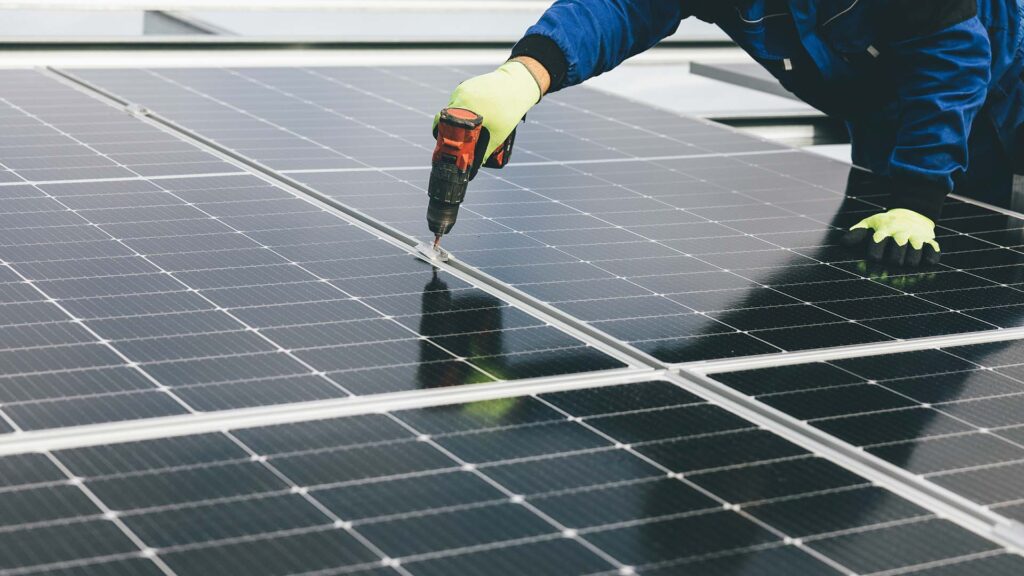
Planning to install a solar power system in Metro Manila or nearby provinces? Before you start your installation, it’s important to prepare properly to ensure a smooth, safe, and cost-effective transition to solar energy.
This complete solar installation checklist will guide homeowners and businesses through everything they need to prepare before investing in a solar energy system.
Why Preparation Matters Before Solar Installation
Proper preparation helps avoid delays, unexpected costs, and system inefficiencies. A well-prepared solar project ensures:
- Faster installation process
- Better system performance
- Accurate system sizing
- Fewer technical issues
- Maximum long-term savings
1. Review Your Monthly Electricity Usage
Start by checking your electricity bills for the past 6–12 months.
Look for:
- Average monthly consumption (kWh)
- Peak usage months
- Seasonal changes in energy demand
This data helps your solar installer design a system that matches your actual energy needs.
2. Check Your Roof Condition
Your roof is one of the most important factors in solar installation.
Before installation, ensure:
- Roof is structurally sound
- No major leaks or damage
- Enough space for solar panels
- Minimal shading from trees or nearby buildings
If your roof is old or weak, repairs may be needed before installation.
3. Identify Available Installation Space
Solar panels require sufficient space for optimal performance.
Consider:
- Roof area size
- Orientation (south-facing is ideal in the Philippines)
- Tilt angle for maximum sunlight exposure
- Obstructions like vents or antennas
A site assessment will help determine usable space.
4. Decide on Your Solar System Type
There are different types of solar systems depending on your needs:
Grid-Tied System
- Connected to the utility grid
- Lower cost
- Ideal for most homes and businesses
Hybrid System
- Includes battery storage
- Provides backup power during outages
- Higher initial investment
Off-Grid System
- Fully independent from the grid
- Best for remote locations
5. Set a Realistic Budget
Your budget will influence system size, equipment quality, and features.
Consider:
- Solar panels
- Inverter
- Battery storage (if needed)
- Installation labor
- Permits and documentation
A professional installer can help you balance cost and performance.
6. Choose a Trusted Solar Installation Company
Working with experienced professionals ensures safety and long-term system reliability.
Look for a company that offers:
- Site inspection and consultation
- Custom system design
- Quality solar products
- Installation warranty
- After-sales support
Avoid installers that do not provide proper documentation or warranties.
7. Understand Permits and Requirements
Solar installation may require approvals depending on your location and utility provider.
Common requirements include:
- Electrical permits
- Net metering application
- Local government compliance
- Utility interconnection approval
Your installer usually assists with these processes.
8. Plan for Future Energy Needs
Think long-term when designing your solar system.
Ask yourself:
- Will my electricity usage increase in the future?
- Will I add appliances or expand my business?
- Do I want battery storage later?
Planning ahead helps avoid costly upgrades later.
9. Prepare for Installation Day
Before installation begins:
- Clear roof access
- Ensure electrical panel is accessible
- Inform household or staff about the schedule
- Secure pets and valuables near work areas
A smooth installation day reduces delays and safety risks.
10. Post-Installation Expectations
After installation, your system will go through testing and activation.
You should expect:
- System performance testing
- Monitoring setup
- Basic usage orientation
- Warranty documentation
Regular monitoring helps ensure optimal performance.
Conclusion
A successful solar installation starts with proper preparation. By following this solar installation checklist, homeowners and businesses can avoid common mistakes and ensure a smooth transition to renewable energy.
Solar power is a long-term investment, and careful planning ensures maximum savings, efficiency, and reliability.
If you’re ready to install a solar system, work with a trusted solar installation company that provides professional service, quality equipment, and complete support from start to finish.
Prepare today and enjoy clean, reliable solar energy for years to come.